Warning: Delivery before Christmas is not guaranteed.
Find us in Loc. Venella – Terontola (AR), Italy
Call us +39(0)575.67380
Shipping all over the world

Opuntia

Opuntia hintonii
Opuntia hintonii
Pot: 10 cm.
Art. 56806
Shop Now – 12.00€ 7.20€
Opuntia hintonii
Opuntia hintonii
Pot: 6,5 cm.
Art. 60899
Shop Now – 6.00€ 3.00€
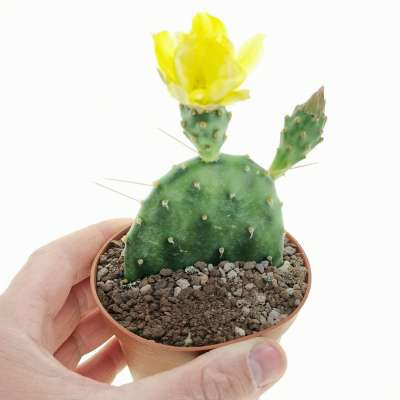
Opuntia humifusa
Opuntia humifusa
Pot: 10 cm.
Art. 48771
Shop Now – 8.00€ 4.00€
Opuntia humifusa
Opuntia humifusa
Pot: 6,5 cm.
Art. 59332
Shop Now – 4.00€
Opuntia inamoena
Opuntia inamoena
Pot: 6,5 cm.
Art. 54188
Shop Now – 4.00€
Opuntia inamoena
Opuntia inamoena
Pot: 14 cm.
Art. 60646
Shop Now – 10.00€ 8.00€
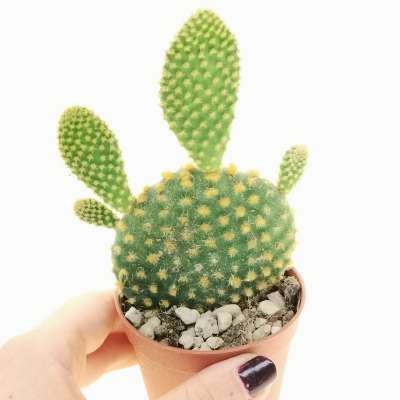
Opuntia microdasys (yellow)
Pot: 6,5 cm.
Art. 47877
Shop Now – 3.00€
Opuntia microdasys cv. albata
Pot: 6,5 cm.
Art. 53430
Shop Now – 3.00€
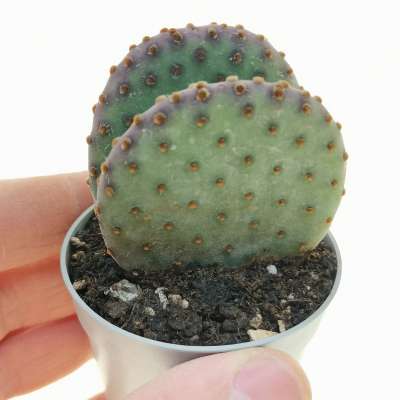
Opuntia miquelii
Opuntia miquelii
Pot: 6,5 cm.
Art. 40502
Shop Now – 3.00€
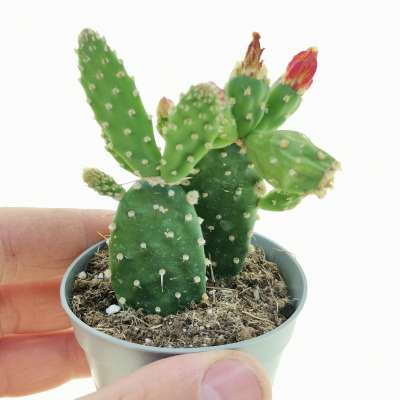
Opuntia miquelii
Opuntia miquelii
Pot: 6,5 cm.
Art. 41992
Shop Now – 4.00€
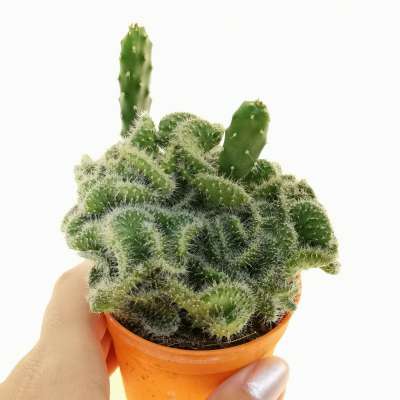
Opuntia miquelii f. crestata
Pot: 7x7 cm.
Art. 40009
Shop Now – 54.00€
Opuntia pycnantha
Opuntia pycnantha
Pot: 25 cm.
Art. 35835
Shop Now – 38.00€
Opuntia reticulata cobra
Pot: 10 cm.
Art. 48690
Shop Now – 10.00€
Opuntia reticulata cobra
Pot: 6,5 cm.
Art. 56180
Shop Now – 4.00€
Opuntia subulata f. crestata
Pot: 6,5 cm.
Art. 34226
Shop Now – 6.00€
Opuntia tuna f. crestata
Pot: 10 cm.
Art. 54856
Shop Now – 6.00€
Opuntia

Its name derives from Greek and was chosen in honor of Opunte, the capital of Locride - a region of ancient Greece. It is native to the American desert areas, but also grows spontaneously along the coasts of southern Italy, where it is possible to admire it of sometimes quite impressive dimensions. It is a very particular cactacea, which includes various species and therefore have very different characteristics: most of them have branched stems, that are segmented into flat articles, which are called "shovels" or "ears", with the well-known peculiarity of not only being equipped with spines, but also with glochids, or microscopic toothed spines, which easily remain attached to anything they touch. However, its dangerousness is compensated by pleasant showy flowers, similar to a wheel, and by large colorful fruits, often edible (the famous prickly pear is a very common example). The pulp of the blades also has a common use: the extract, obtained from it, is often used for body care, with its remarkable slimming and lipo-absorbing properties. You have never seen such a multifunctional and, at the same time, ornamental plant before!