Pot: 10 cm.
Art. 32771

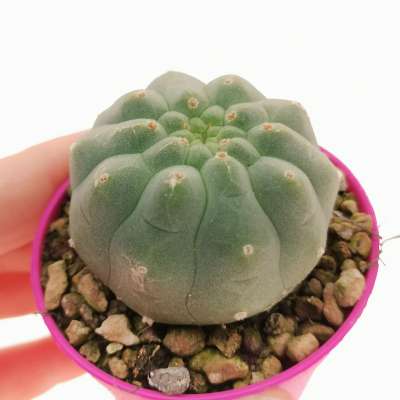
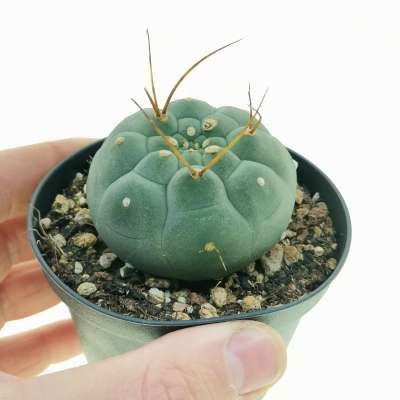
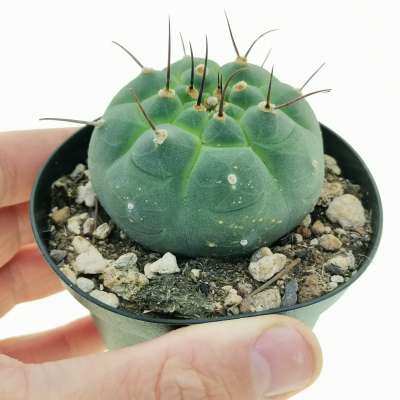
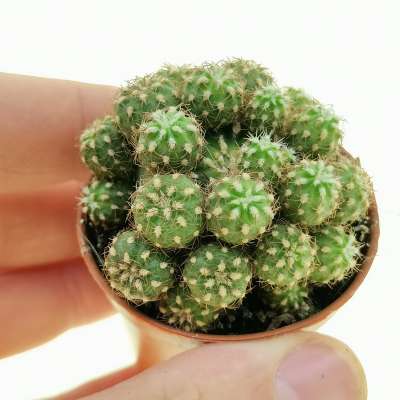
Its name comes from Matucana - a Peruvian city, where this genus comes from. It’s a small cactus of a lively green, characterized by ribs, segmented into tubercles with very variable spines: sometimes are absent, other times they tend to be thick and long, decorative and particular. In nature they are high mountain plants, which don’t need special cares and adapt well to the environment; they rarely tend to flower, but, when happens, it is a real beauty to see: their flowers vary on the brightest shades and assume a typical trumpet shape, reaching remarkable dimensions. They are cacti that will surely stand out in your environment! Here are some tips for its cultivation: It likes very bright places. Avoid direct sunlight during the hottest hours of the day. It prefers environments with low humidity. Keep it at mild temperatures and never below 7 ° C, for this reason it is recommended to place it in sheltered and ventilated places during winter. Water moderately only when the soil is completely dry. It is enough to water the plant once a week in spring and summer, suspend watering completely in autumn and winter. The best soil is a well-draining one, even better if further enriched with inert materials such as pumice, sand or lapilli. They do not need frequent fertilization, it is sufficient to dilute the fertilizer with watering once a year.