Find us in Loc. Venella – Terontola (AR), Italy
Call us +39(0)575.67380
Shipping all over the world

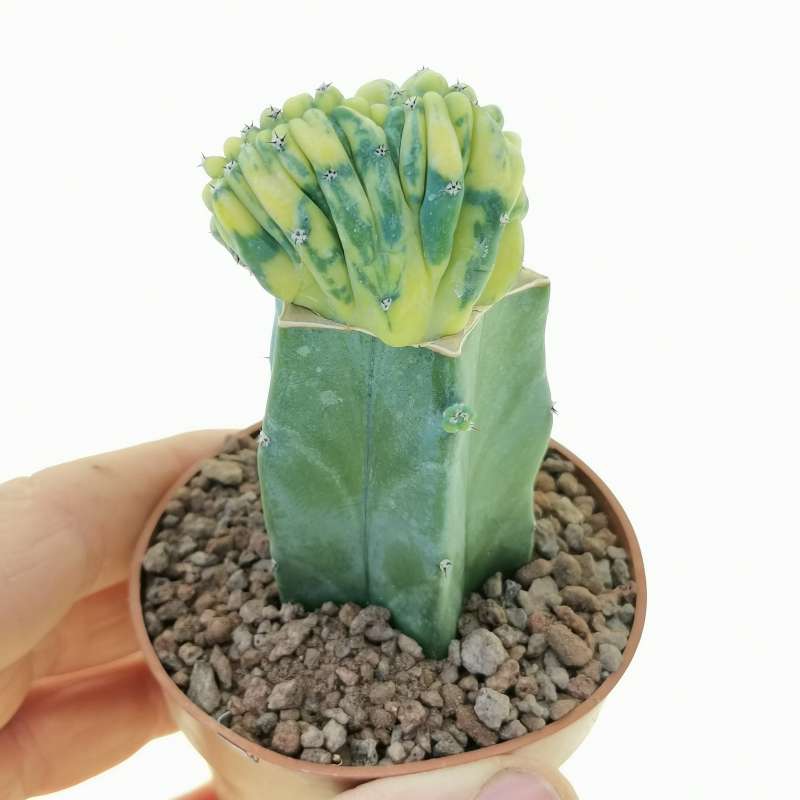
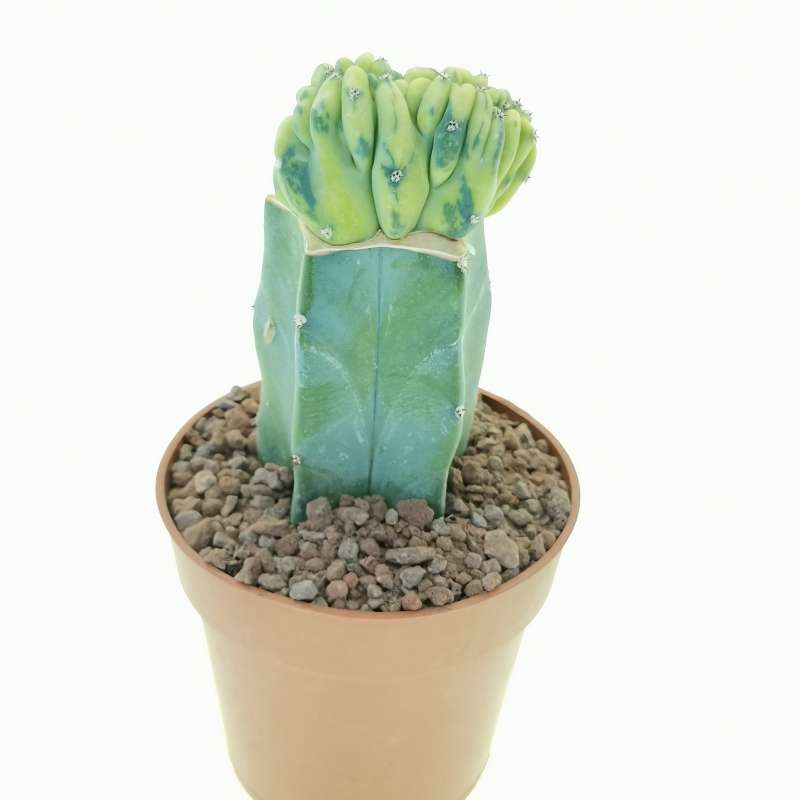
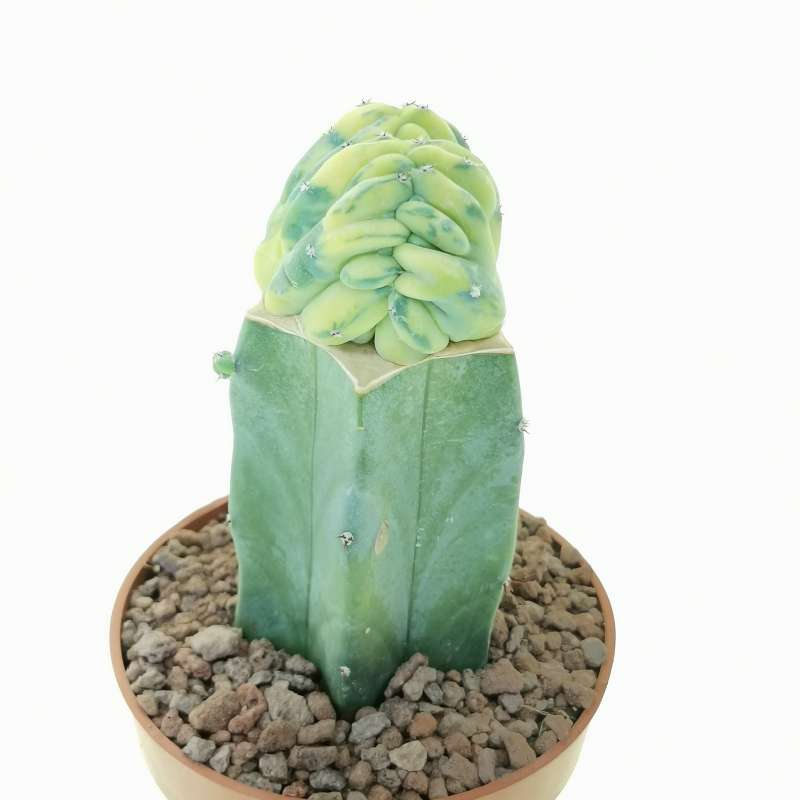
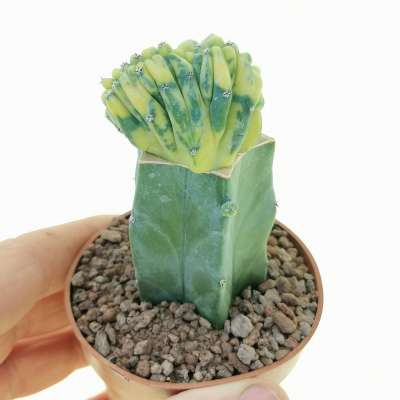
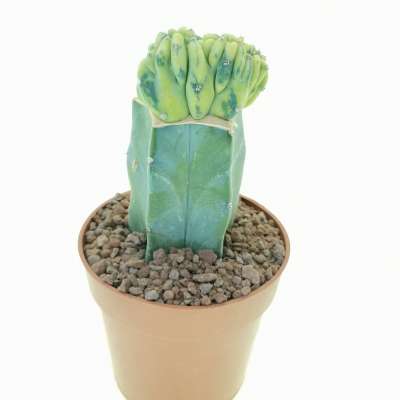
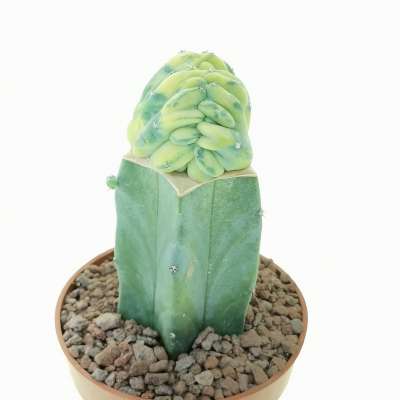
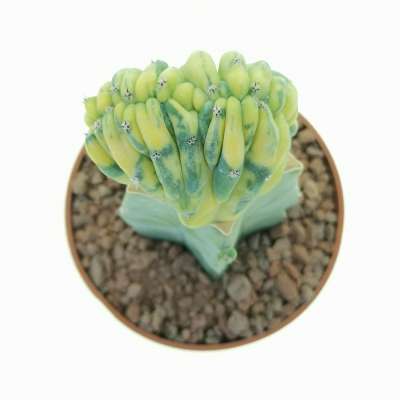
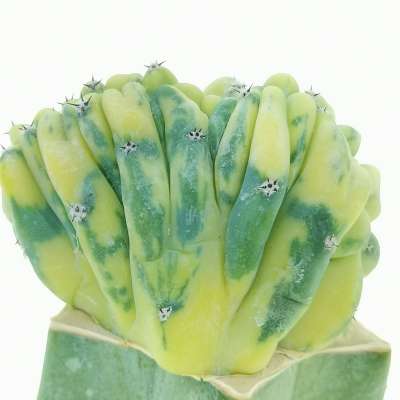
Myrtillocactus geometrizans f. crestata variegata — Auction

Art. 62223
Pot:
8,5 cm.
Family:
Cactaceae
Origin:
Cultivar

gavel Auction in progress
Current bid
10,00 €
Minimum bid: 10,50 €  ·  0 bids

Time remaining
--
days
--
hours
--
min
--
sec

lock You must be registered and logged in to participate in the auction.
timer_off Auction ended — refreshing...
Secure payments

Description:

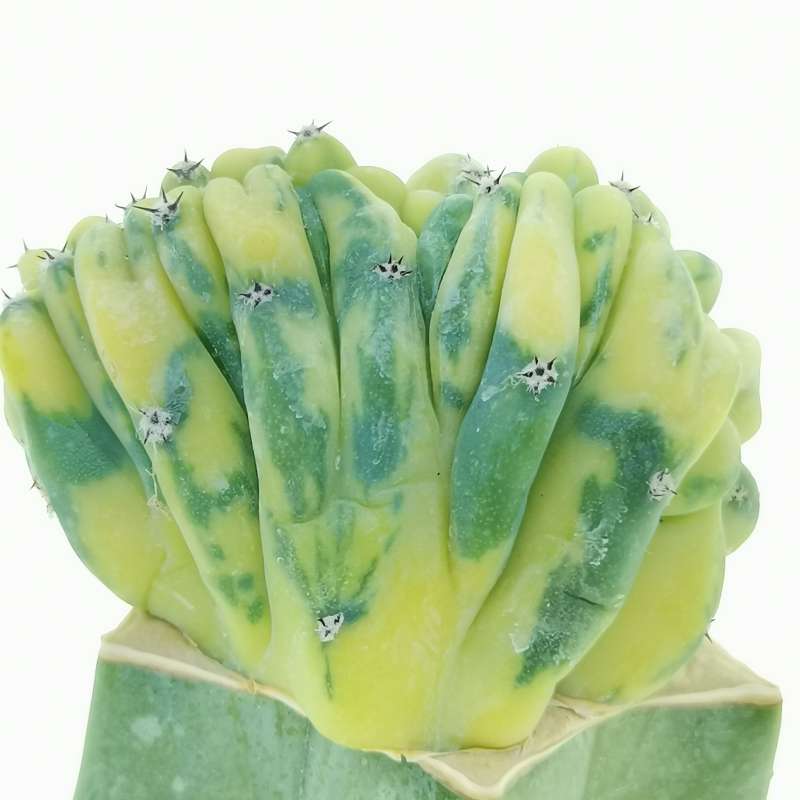
The splendid crested form of M. geometrizans is much appreciated by lovers of succulents for its unique and unusual shape, but there's more: there are even species in the nursery so rare that they have yellow variegations along the crest, in the exact points in which chlorophyll is absent! These are extremely rare and coveted specimens, perfect for decorating modern interior spaces. The blue-cerulean color of Myrtillocactus is another particular characteristic, thanks to which it is often used in original and unconventional compositions. In its normal form it is a columnar plant, covered with a white patina, which can branch out and take the shape of a candlestick; in the wild it can reach up to 4 meters in height! Its stem, typically blue-cerulean exactly like the crested specimen, is characterized by 5-8 ribs and sparse thorns. Variegated Crested M. geometrizans is a fantastic gift that will delight the recipient for years, perfect for true connoisseurs and collectors who want something absolutely unusual and unparalleled!

Shipping Info:

Shipping costs in Italy € 10.00 (islands € 13.00). Free shipping for orders over € 90.00.
We need 2-3 business days to prepare your plants. Delivery times 24/48h.
Find out more...

Plant care:

It likes an exposure to full sun in rather airy locations.

It is preferable to keep it at mild temperatures and never below 10 °C, for this reason it is recommended to shelter it during the winter period.

Water moderately and only when the soil is completely dry. It is enough to water it once a week in spring and summer, and reduce watering to once every two months in autumn and winter.

The best soil is a well-draining one, even better if further enriched with inert materials such as pumice, sand or lapilli.

They do not need frequent fertilization, it is sufficient to dilute the fertilizer with watering once a year.


Click for info
Promo Banner Promo Banner