Find us in Loc. Venella – Terontola (AR), Italy
Call us +39(0)575.67380
Shipping all over the world

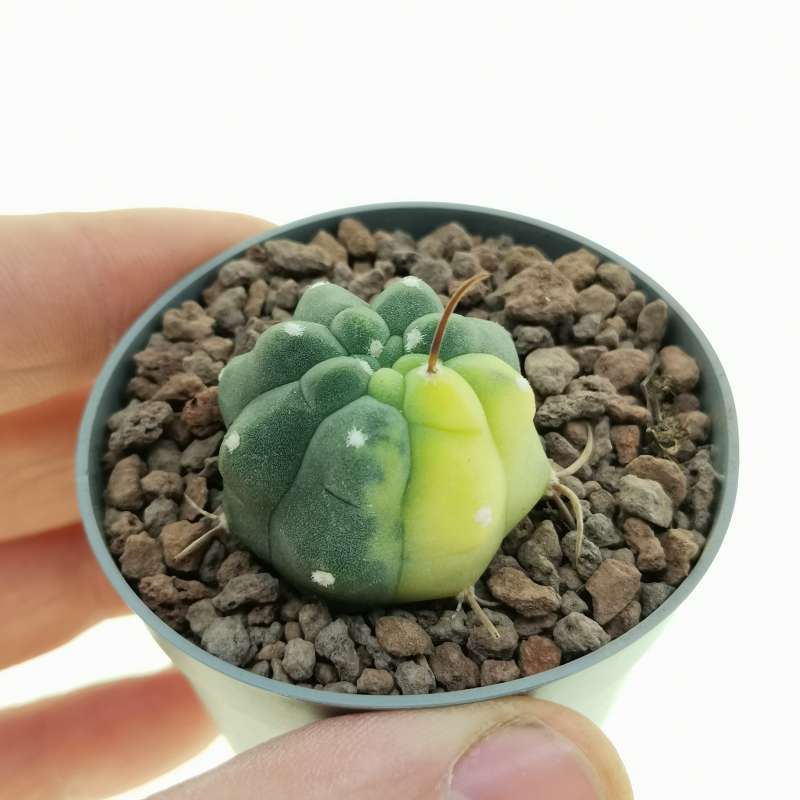
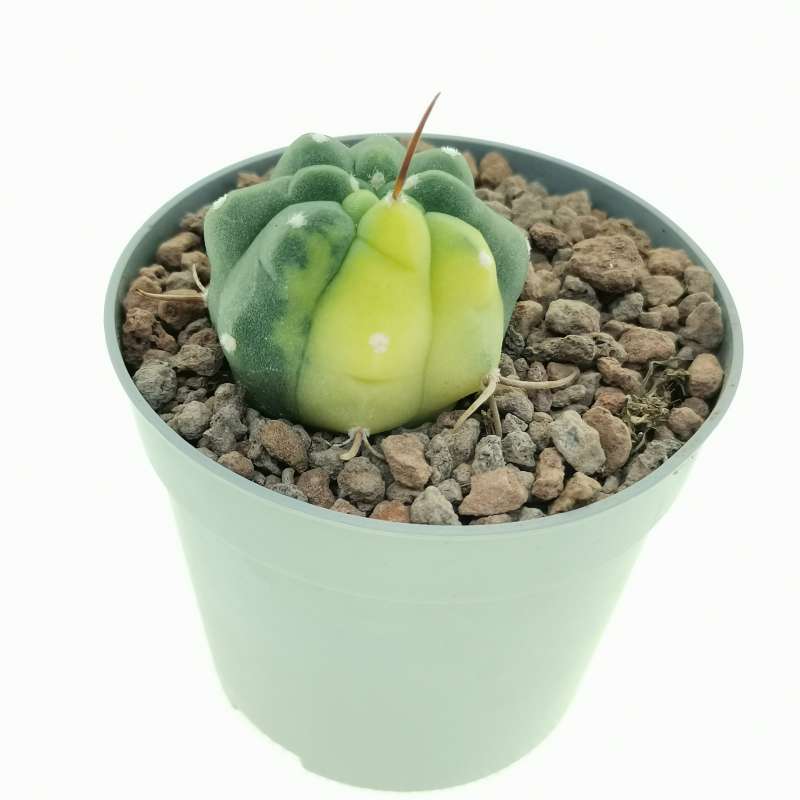
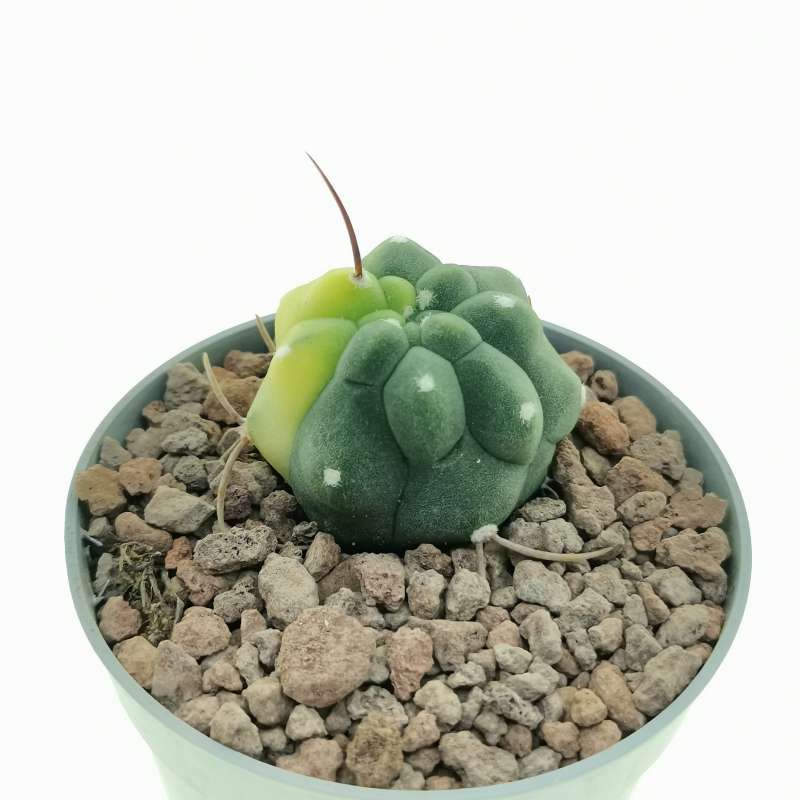
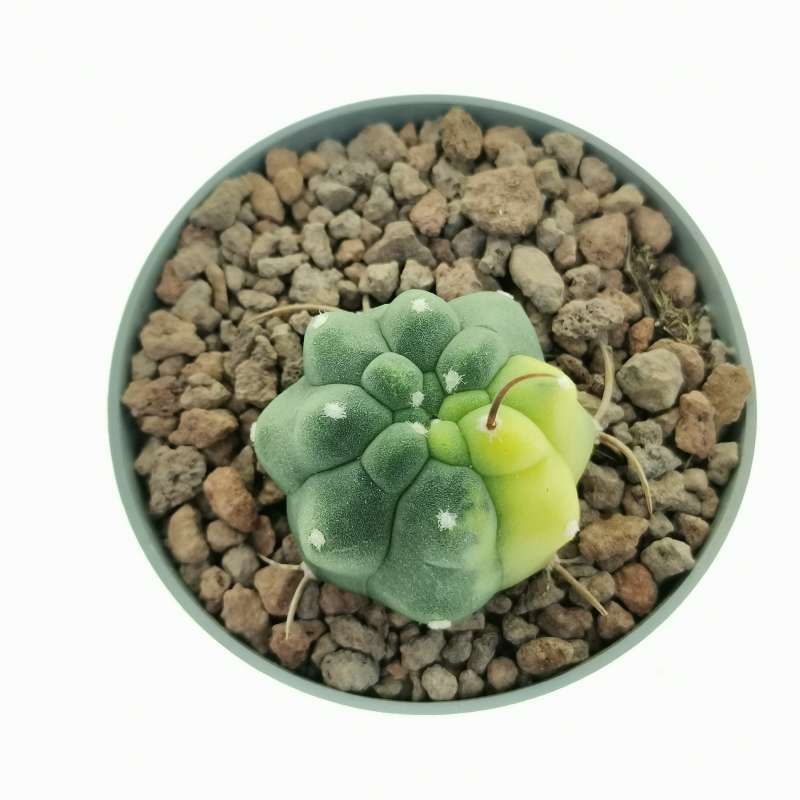
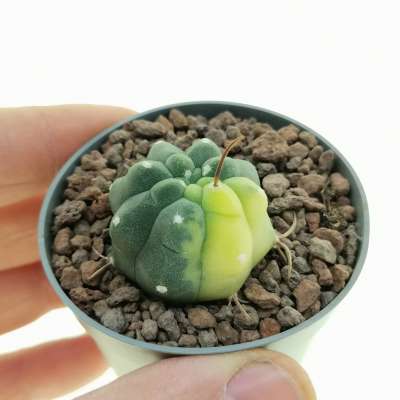
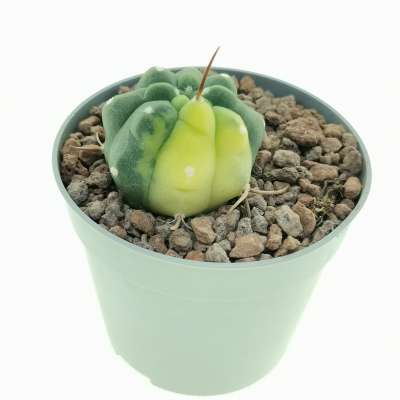
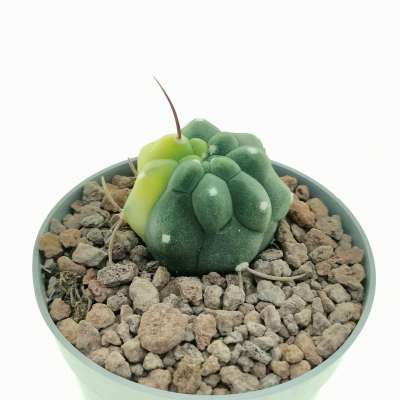
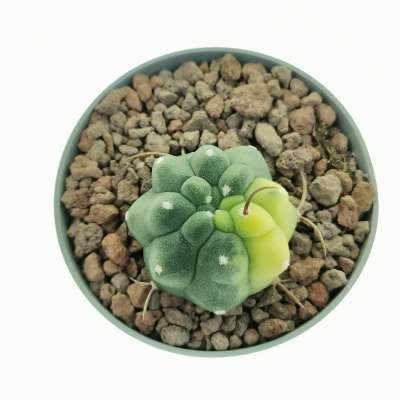
Matucana madisoniorum f. variegata — Auction

Art. 62673
Pot:
6,5 cm.
Family:
Cactaceae
Origin:
Amazonas, Peru

gavel Auction in progress
Current bid
14,00 €
Minimum bid: 14,50 €  ·  0 bids

Time remaining
--
days
--
hours
--
min
--
sec

lock You must be registered and logged in to participate in the auction.
timer_off Auction ended — refreshing...
Secure payments

Description:

Matucana madisoniorum f. variegata is a species very appreciated by collectors. The variegation, in fact, makes each piece unique and it can be well recognized by the various yellowish parts present on the surface. This detail is due to the absence of chlorophyll of the epidermis. The name of this plant honours Marshall P. Madison, and we can say that it is the best known of all the species of Matucana. It is a globose and solitary cactus that only with the passage of time can reach the lighted form and lengthen. Its epidermis takes on various shades from green to gray and bluish. The number of spines is variable: in some specimens they are few or non-existent, in others they are present in a greater extent. Its beautiful bright red flowers sprout from the apex. It is a plant of easy cultivation.

Shipping Info:

Shipping costs in Italy € 10.00 (islands € 13.00). Free shipping for orders over € 90.00.
We need 2-3 business days to prepare your plants. Delivery times 24/48h.
Find out more...

Plant care:

It likes very bright places, however, avoid direct sunlight during the hottest hours of the day. It prefers environments with low humidity.

It is preferable to keep it at mild temperatures and never below 7 ° C, for this reason it is recommended to place it in sheltered and ventilated places during the winter period.

Water moderately but only when the soil is completely dry. It is enough to water the plant once a week in spring and summer, suspend watering completely in autumn and winter.

The best soil is a well-draining one, even better if further enriched with inert materials such as pumice, sand or lapilli.

They do not need frequent fertilization, it is sufficient to dilute the fertilizer with watering once a year.


Click for info
Promo Banner Promo Banner